Food Storage Chart
How long fifty everyday foods actually keep — in the fridge, in the freezer, and sealed. Search for what is in front of you, or print the chart for the inside of the pantry door.
Australian unitsFree, no sign-upReviewed 10 September 2026
46 foods, or scroll for the full chart by group.
Two rules before you read a single number
Fridge times are safety. Freezer times are not.
Food held at or below −18°C stays safe indefinitely. The months in the freezer columns are about quality — when it starts tasting of the freezer — not about when it becomes dangerous.
Vacuum sealing is not preservation.
It removes oxygen, which stops staling and most spoilage moulds. It does nothing to anaerobic bacteria, and botulism prefers exactly the conditions it creates. Sealed food still goes in the fridge or the freezer.
Raw meat and poultry
The fridge figures assume a working fridge at or below 5°C and meat kept on the bottom shelf where it cannot drip on anything.
| Food | Fridge | Freezer | Sealed, fridge | Sealed, freezer | Notes |
|---|---|---|---|---|---|
| Beef and lamb steaks, chops, roasts | 3–5 days | 6–12 months | 10–14 days | 2–3 years | Whole muscle keeps far longer than anything cut or minced, because the bacteria are only on the surface. |
| Pork chops and roasts | 3–4 days | 4–6 months | 8–10 days | 2 years | |
| Chicken, whole or pieces | 2–3 days | 9–12 months | 6–8 days | 2 years | |
| Mince (any meat) | 1–2 days | 3–4 months | 5–7 days | 1 year | Mincing spreads surface bacteria through the whole batch and gives them air. It is always the shortest-lived thing in the fridge. |
| Fresh sausages | 2–3 days | 1–2 months | 5–7 days | 1 year | The fat goes rancid in the freezer long before anything else does. |
| Bacon and ham, opened | 5–7 days | 1–2 months | 3–4 weeks | 6 months | |
| Offal (liver, kidney) | 1–2 days | 3–4 months | 3–4 days | 6 months |
Fish and seafood
The most perishable thing you can buy. Buy it the day you cook it where you can, and keep it on ice in the fridge if you cannot.
| Food | Fridge | Freezer | Sealed, fridge | Sealed, freezer | Notes |
|---|---|---|---|---|---|
| Fresh fish fillets | 1–2 days | 3–6 months | 3–5 days | 2 years | Oily fish — salmon, mackerel, sardines — sit at the short end of every freezer figure. |
| Whole fish | 2–3 days | 4–6 months | 4–6 days | 2 years | |
| Green prawns | 1–2 days | 6–9 months | 3–4 days | 1–2 years | |
| Cooked prawns | 2–3 days | 3–4 months | 5–7 days | 1 year | |
| Live shellfish (oysters, mussels) | 1–2 days | — | Not suitable | Not suitable | Never vacuum seal live shellfish — they need to breathe. Keep them under a damp cloth, not in water or a sealed bag. |
| Smoked salmon, opened | 3–5 days | 2–3 months | 2–3 weeks | 6 months |
Cooked food and leftovers
Get leftovers into the fridge within two hours, in shallow containers so they cool fast. A deep pot of stew can sit in the danger zone for hours in the middle.
| Food | Fridge | Freezer | Sealed, fridge | Sealed, freezer | Notes |
|---|---|---|---|---|---|
| Cooked meat and poultry | 2–3 days | 2–3 months | 6–10 days | 6–12 months | |
| Soups, stews and curries | 2–3 days | 2–3 months | 6–8 days | 6–12 months | |
| Cooked rice | 1 day | 1–2 months | 1 day | 1–2 months | The one genuine exception on this page. Cooked rice carries Bacillus cereus spores that survive cooking and produce a toxin at room temperature. Cool it fast, refrigerate within an hour, eat it the next day, and do not let vacuum sealing tempt you to stretch it. |
| Cooked pasta | 2–3 days | 1–2 months | 4–5 days | 2–3 months | |
| Casseroles and bakes | 2–3 days | 2–3 months | 5–7 days | 6 months | |
| Gravy and stock | 1–2 days | 2–3 months | 3–5 days | 6 months | |
| Roast dinner leftovers, sliced | 2–3 days | 2–3 months | 6–8 days | 6 months | Slice and seal it in meal-sized portions on the night, not four days later when you finally get around to it. |
Dairy and eggs
Hard cheese is where a vacuum sealer earns its keep. Soft cheese is where it does harm.
| Food | Fridge | Freezer | Sealed, fridge | Sealed, freezer | Notes |
|---|---|---|---|---|---|
| Hard cheese (cheddar, parmesan), opened | 3–4 weeks | 6 months | 4–8 months | 1 year | Vacuum sealing hard cheese is one of the clearest wins there is — no drying, no surface mould. |
| Soft and fresh cheese (brie, ricotta, feta) | 1–2 weeks | — | Not suitable | Not suitable | Do not vacuum seal. Soft cheeses are moist, low-acid and need to breathe; sealing them creates exactly the anaerobic environment to avoid, and the pressure crushes them anyway. |
| Butter | 1–3 months | 6–9 months | 3–4 months | 1 year | |
| Milk, opened | 5–7 days | 1–2 months | Not suitable | Not suitable | Frozen milk separates. Shake it hard after thawing and use it for cooking rather than coffee. |
| Eggs in the shell | 3–5 weeks | — | Not suitable | Not suitable | Australian eggs are sold unwashed and unrefrigerated but keep several times longer in the fridge. Never vacuum seal them in the shell. |
| Yoghurt and sour cream, opened | 1–2 weeks | 1–2 months | Not suitable | Not suitable |
Fruit and vegetables
Most produce is still alive and still respiring, which is why some of it does badly in a sealed bag.
| Food | Fridge | Freezer | Sealed, fridge | Sealed, freezer | Notes |
|---|---|---|---|---|---|
| Berries | 3–5 days | 8–12 months | 1–2 weeks | 2–3 years | Freeze them solid on a tray first, then seal, or the sealer turns them to jam. |
| Leafy greens and salad | 3–7 days | 8–12 months | 2 weeks | 2 years | Dry them thoroughly first. Water left on the leaves is what makes them slimy. |
| Carrots, celery, beetroot | 3–4 weeks | 8–12 months | 2–3 months | 2–3 years | |
| Broccoli, cauliflower, cabbage | 1–2 weeks | 8–12 months | Not suitable | 2–3 years | Raw brassicas give off gas and will inflate a sealed bag until it fails. Blanch and freeze them before sealing. |
| Apples, pears, citrus | 4–6 weeks | 8–12 months | 2–3 months | 2 years | |
| Mushrooms | 4–7 days | 8–12 months | Not suitable | 2 years | Do not vacuum seal raw mushrooms. They respire, they hold water, and they collapse. A paper bag in the fridge is genuinely the best method. |
| Potatoes, onions, garlic | — | — | Not suitable | Not suitable | Dark, dry and airy — a pantry or a hanging basket, not the fridge and not a sealed bag. Cold turns potato starch to sugar, and sealed garlic in oil is a genuine botulism risk. |
| Bananas, tomatoes, stone fruit | — | 8–12 months | Not suitable | 1–2 years | Bench-ripen them. The fridge kills the flavour of all three. |
Pantry staples
The pantry is where vacuum sealing produces its most dramatic numbers, because the enemy there is oxygen rather than bacteria.
| Food | Fridge | Freezer | Sealed, fridge | Sealed, freezer | Notes |
|---|---|---|---|---|---|
| Coffee beans | — | 3–6 months | Not suitable | 1–2 years | Sealed in an opaque canister they hold their aromatics for 4–6 months against 2–4 weeks in a paper bag. Grind from frozen; never thaw and refreeze the same beans. |
| Nuts and seeds | 6 months | 1 year | 1–2 years | 2–3 years | High in oil, so they go rancid rather than mouldy. You will smell it before you taste it. |
| Plain and self-raising flour | — | 1–2 years | Not suitable | 2–3 years | Wholemeal flour has the wheatgerm still in it and goes rancid in about three months on the shelf. Vacuum sealing roughly quadruples that. |
| White rice, pasta, dried legumes | — | — | Not suitable | 5+ years | Sealed and out of the light these outlast their labels comfortably. Brown rice is the exception — the bran oil limits it to about a year. |
| Dried herbs and ground spices | — | — | Not suitable | 3–4 years | They do not spoil, they just fade. Sealed, they hold their punch three or four times longer. |
| Brown and raw sugar | — | — | Not suitable | Indefinite | Sealing keeps brown sugar soft, which is the whole point. |
| Biscuits and crackers, opened | — | 3 months | Not suitable | 6 months | A sealed bag holds them crisp for a month rather than a week — but use the gentle setting or you will crush them. |
Home-dried and cured
Anything you dehydrate yourself keeps only as well as it was dried. Leathery is fine; anything still tacky needs the fridge.
| Food | Fridge | Freezer | Sealed, fridge | Sealed, freezer | Notes |
|---|---|---|---|---|---|
| Dried fruit | 6–12 months | 1–2 years | 1–2 years | 3+ years | Condition it first: a week in a loosely closed jar, shaken daily, so any residual moisture equalises before you seal it. |
| Dried vegetables and herbs | — | 1–2 years | Not suitable | 3–5 years | |
| Home-made jerky | 1–2 weeks | 3–6 months | 1–2 months | 1 year | Home jerky is not shelf-stable the way a commercial pack is. Refrigerate it, sealed or not. |
| Fruit leather | 1 month | 6–12 months | 3–6 months | 1 year | |
| Dried mushrooms | — | 1–2 years | Not suitable | 3 years |
Never vacuum seal these
| Do not seal | Why |
|---|---|
| Soft and fresh cheeses | Moist, low-acid and better off breathing. Sealing creates the anaerobic conditions to avoid, and the pressure crushes them. |
| Raw mushrooms | They respire and hold water. Sealed, they collapse into a slick within days. A paper bag beats every other method. |
| Raw broccoli, cauliflower and cabbage | They release gas as they sit and will inflate the bag until the seal fails. Blanch and freeze first. |
| Garlic or herbs in oil | A genuine botulism risk at room temperature, and sealing makes it worse rather than better. Refrigerate and use within days, or freeze it. |
| Live shellfish | They are alive and need air. Damp cloth, fridge, cook them the same day. |
| Bananas and whole soft fruit | They ripen off gas and bruise under pressure. Freeze in pieces on a tray first if you want them sealed. |
| Anything you plan to leave out of the fridge | Sealing changes nothing about the temperature the food is held at, and that is what makes food unsafe. |
The rules that override every number above
The 2-hour / 4-hour rule
Food Standards Australia New Zealand sets the limit for ready-to-eat food sitting between 5°C and 60°C. Under 2 hours total, refrigerate it and use it later. Between 2 and 4 hours, use it now and do not put it back. Past 4 hours, throw it out. The clock is cumulative across the whole life of the food, not per sitting — which is what catches people out at a barbecue.
Check the fridge is actually at 5°C
A fridge thermometer costs a few dollars and domestic fridges drift, especially a full one or a door that gets opened constantly. At 5°C the times above hold. At 8°C they roughly halve.
Cool it fast, in shallow containers
A stockpot of soup put straight in the fridge can sit above 5°C in the middle for hours while the outside is cold. Divide it into shallow containers, or sit the pot in a sink of iced water and stir, then refrigerate within two hours.
Freezer times are quality, not safety
At or below −18°C food stays safe indefinitely. The months listed are how long it holds its texture and taste before freezer burn and rancidity take over. Vacuum sealing extends that dramatically because freezer burn is dehydration, and there is no air left to dry anything out.
Thaw in the fridge, not on the bench
Overnight in the fridge, in the microwave, or in a sealed bag under cold running water. A bench thaw leaves the outside in the danger zone for hours while the middle is still frozen. Never refreeze anything that has thawed unless you cook it first.
Vacuum sealing is not a substitute for refrigeration
It removes oxygen, which stops staling and most spoilage moulds, and that is genuinely useful. It does nothing to anaerobic bacteria, and Clostridium botulinum grows precisely where there is no oxygen. Sealed food goes in the fridge or the freezer, without exception — and never seal garlic, herbs or vegetables in oil at room temperature.
When in doubt, throw it out
The bacteria that make you ill do not necessarily smell, look or taste wrong. A clean-smelling piece of chicken that has been in the fridge a week is still a clean-smelling piece of chicken that has been in the fridge a week.
What vacuum sealing actually does
It removes oxygen. That is the whole mechanism, and it explains both what sealing is good at and where it is useless. Most of the things that ruin food in a fridge need oxygen: the aerobic spoilage bacteria that make meat slimy, the moulds that fur up cheese, and the oxidation that turns nuts and coffee rancid. Take the air away and all three slow down by roughly a factor of three to five.
In the freezer the win is different again. Freezer burn is not spoilage at all — it is dehydration, moisture migrating out of the food into the air in the bag and freezing on the surface. With no air in the bag there is nowhere for it to go, which is why vacuum-sealed meat can come out of the freezer after two years looking like it went in.
What it does not do is touch temperature, and temperature is what makes food unsafe. Nor does it help against anaerobic bacteria — the ones that grow without oxygen. Clostridium botulinum is the serious example, and the environment inside a vacuum bag is one it likes. Hence the rule: sealed food goes in the fridge or the freezer, always, and low-acid things in oil never get sealed at room temperature at all.
Why mince is always the first thing to go
A whole piece of steak carries its bacteria on the outside, where the surface is exposed and dries a little. Mincing takes that surface and distributes it through the entire mass, adds a great deal of new surface area, and mixes in air while it does it. The result keeps for a day or two where the same meat as a steak would keep for four or five. The same logic explains why sausages are short-lived and why a whole chicken keeps slightly better than pieces.
The Australian rule worth memorising
The 2-hour/4-hour rule is the one that matters at barbecues, buffets and long lunches. Ready-to-eat food between 5°C and 60°C is fine for under two hours and can go back in the fridge. Between two and four hours it must be used and not returned. Past four hours it goes in the bin. The clock is cumulative — an hour on the table at lunch and two more at dinner is three hours, not two separate ones — and that is the part people miss.
Cooling matters as much as the clock. A stockpot of soup put straight into the fridge can hold above 5°C in the middle for hours while the outside is cold, which is exactly the wrong place to be. Divide it into shallow containers, or sit the pot in a sink of iced water and stir. Then get it in the fridge within two hours.
Getting more out of the freezer
Portion before you freeze, not after. A single 1 kg block of mince has to be thawed in its entirety and cannot be refrozen raw, so it commits you to a large meal you may not want; four 250 g packs do not. Freeze flat, which speeds both freezing and thawing and stacks better. Label everything with what it is and the date — every frozen thing looks the same in three months.
Freeze berries and small items on a tray first, then seal them, or a vacuum sealer will crush them into jam. Blanch brassicas before sealing, since raw broccoli and cabbage keep releasing gas and will inflate a bag until the seal fails. And thaw in the fridge, in the microwave, or under cold running water in a sealed bag — never on the bench.
If you are drying food rather than freezing it, our dehydrator rankings cover the machines, and the home-dried section above has the times. For cooking straight from a sealed bag, our sous vide picks and the meat temperature guide cover where each cut should land.
How long it keeps — Frequently Asked Questions
How long does vacuum-sealed meat last in the fridge?+
Roughly three times as long as unsealed. Beef and lamb steaks go from 3–5 days to about 10–14, chicken from 2–3 days to 6–8, and mince from 1–2 days to 5–7. Vacuum sealing removes the oxygen that spoilage bacteria and moulds need, but it does not stop anaerobic bacteria, so sealed meat still has to stay in the fridge at or below 5°C.
Does vacuum sealing make food safe to leave out?+
No, and this is the most important thing on the page. Removing oxygen slows spoilage but does nothing about temperature, and Clostridium botulinum actively prefers an oxygen-free environment. Vacuum-sealed food goes in the fridge or the freezer without exception — never seal garlic or herbs in oil and leave them on the bench.
How long do leftovers keep in the fridge?+
Two to three days for cooked meat, soups, stews and casseroles, provided they were refrigerated within two hours of cooking and the fridge is at or below 5°C. Cooked rice is the exception at one day. Cool leftovers fast in shallow containers — a deep pot can sit in the danger zone for hours in the middle.
What is the 2-hour/4-hour rule?+
The Food Standards Australia New Zealand guideline for ready-to-eat food held between 5°C and 60°C. Under 2 hours total, refrigerate it and use it later. Between 2 and 4 hours, use it now and do not put it back. Past 4 hours, throw it out. The clock is cumulative across the whole life of the food, which is what catches people out at barbecues and buffets.
How long can you keep food in the freezer?+
Indefinitely, as far as safety goes. At or below −18°C nothing grows. The months listed in the chart are quality figures — when freezer burn, drying and rancidity start to tell. Vacuum sealing extends those dramatically, often three to five times, because freezer burn is dehydration and there is no air left to dry the food out.
What should you not vacuum seal?+
Soft and fresh cheeses, raw mushrooms, raw broccoli and cabbage, garlic or herbs in oil, live shellfish, and whole soft fruit. Brassicas and mushrooms give off gas or water and will burst the bag; soft cheese needs to breathe and gets crushed; garlic in oil is a botulism risk that sealing makes worse rather than better.
What temperature should my fridge be?+
At or below 5°C, and the freezer at or below −18°C. Domestic fridges drift, especially when they are full or the door gets opened constantly, so a cheap fridge thermometer is worth having. Every figure in the chart assumes 5°C — at 8°C they roughly halve.
Can you refreeze thawed food?+
Not raw, unless you cook it first. Thaw in the fridge, in the microwave, or in a sealed bag under cold running water — never on the bench, where the outside sits in the danger zone for hours while the middle is still frozen. Food thawed in the fridge and still cold can be cooked and then frozen as a cooked dish.
More kitchen calculators
Oven Temperature Converter →
Fan-forced to conventional, Fahrenheit to Celsius and gas marks, the way Australian recipes actually write them.
Cups to Grams Converter →
Australian 250 ml cups and 20 ml tablespoons to grams for 60+ ingredients, plus grams back to cups.
Air Fryer Conversion Calculator →
Turn any oven recipe into an air fryer time and temperature in Celsius, with a chart of Aussie freezer staples.
Meat Temperature Guide →
When to take steak, roasts, chicken, pork and fish off the heat, in Celsius, with the Australian food-safety minimums alongside.
Roast Timer →
Cooking time by weight for lamb, beef, pork with crackling, chicken, turkey and glazed ham, plus a serve-time plan that works backwards from lunch.
Appliance Running Cost Calculator →
What the kettle, the air fryer, the oven and the slow cooker actually cost to run, at your own cents per kilowatt-hour.
Slow Cooker Conversion Calculator →
Move a recipe between the oven, the stovetop, a slow cooker and a pressure cooker — including what to do about the liquid.
Cake Tin Converter →
Scale a recipe from the tin it was written for to the tin you own, in centimetres and inches, with the baking time adjusted.
Rice to Water Ratio Calculator →
Water, time and yield for nine kinds of rice by saucepan, rice cooker, pressure cooker or microwave — and the 180 ml cup that ruins it.
Coffee to Water Ratio Calculator →
Grams of coffee to millilitres of water for plunger, pour over, AeroPress, moka, cold brew and espresso, with the grind and the time.
Useful? Send it to whoever does the baking.
The vacuum sealers we rank
Sealing roughly triples fridge life and all but eliminates freezer burn. Seven picks for Australian kitchens, from a compact handheld to a chamber sealer that handles liquids.
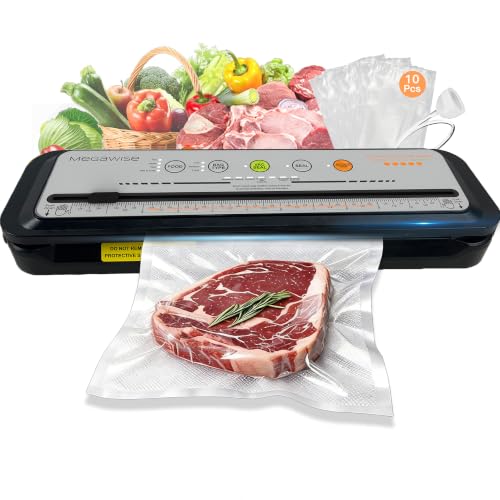
#1 MegaWise 80kPa Vacuum Sealer with Built-in Cutter
★ 4.5 (3,455 reviews) · A$67.99

#2 Inkbird INK-VS02 85kPa Vacuum Sealer
★ 4.1 (1,621 reviews) · A$115.99

#3 Wevac Dual Pump Vacuum Sealer with Roll Storage
★ 4.1 (95 reviews) · A$269
Our rankings
Weekly kitchen deals, in your inbox
We check prices on every appliance we cover daily. Once a week we send the biggest genuine price drops we spot - the ones worth your bench space.
- One email a week, max
- No spam, ever
- Unsubscribe in one click