Coffee to Water Ratio Calculator
Work from the brew size you want or the dose you have. Every method gets its ratio, grind, time and temperature — plus what to change when it tastes sour rather than bitter, which need opposite fixes.
Australian unitsFree, no sign-upReviewed 10 September 2026
Work it out from
Common brew sizes
Plunger / French press usually runs 1:12 to 1:17. Lower is stronger.
Strength
You need
33.3 g
500 ml of water at 1:15 takes 33.3 g of coffee — about 6 level tablespoons if you have no scales. Brew 4 minutes, then plunge slowly at 94–96°C.
Coffee
33.3 g
6 level tablespoons
Water
500 ml
Grind
Coarse
Time
4 minutes
94–96°C
Plunger / French press. Break the crust and skim the foam at 4 minutes, then let it settle another 5 before pouring. Plunging hard is what makes it bitter and silty.
Water is weighed the easy way: 1 ml = 1 g, so a set of kitchen scales does the whole job. If you have none, a level Australian tablespoon of ground coffee is about 5.5 g — accurate enough to get started, and the reason every serious guide tells you to buy scales.
Ratio, grind and time by method
| Method | Ratio | Range | Grind | Time | Water |
|---|---|---|---|---|---|
| Espresso | 1 : 2 | 1:1.5 – 1:3 | Fine, like caster sugar going on table salt | 25–32 seconds | 92–95°C |
| Plunger / French press | 1 : 15 | 1:12 – 1:17 | Coarse, like raw sugar | 4 minutes, then plunge slowly | 94–96°C |
| Pour over (V60, Kalita) | 1 : 16 | 1:15 – 1:17 | Medium-fine, like table salt | 2:30–3:30 total | 92–96°C |
| AeroPress | 1 : 14 | 1:10 – 1:17 | Medium-fine | 1:30–2:00 | 80–90°C |
| Filter / drip machine | 1 : 16 | 1:15 – 1:18 | Medium, like coarse sand | 4–6 minutes | 92–96°C |
| Moka pot | 1 : 10 | 1:8 – 1:12 | Fine-medium, finer than filter, coarser than espresso | 4–5 minutes on low | Start with hot water |
| Cold brew (concentrate) | 1 : 6 | 1:5 – 1:8 | Coarse | 12–18 hours in the fridge | Cold, straight from the tap |
| Cold brew (ready to drink) | 1 : 15 | 1:14 – 1:17 | Coarse | 14–18 hours in the fridge | Cold |
| Percolator / camp coffee | 1 : 16 | 1:14 – 1:18 | Coarse | 7–10 minutes from first perk | Just off the boil |
How much coffee for a common brew
| Brew size | Plunger 1:15 | Pour over 1:16 | Filter 1:16 | AeroPress 1:14 |
|---|---|---|---|---|
| 240 ml — takeaway regular | 16 g | 15 g | 15 g | 17 g |
| 300 ml — mug | 20 g | 19 g | 19 g | 21 g |
| 350 ml — takeaway large | 23 g | 22 g | 22 g | 25 g |
| 500 ml — 3-cup plunger | 33 g | 31 g | 31 g | 36 g |
| 1 L — 8-cup plunger | 67 g | 63 g | 63 g | 71 g |
| 1.2 L — filter carafe | 80 g | 75 g | 75 g | 86 g |
Australian milk drinks, built properly
| Drink | Shots | Finished size | How it is built |
|---|---|---|---|
| Short black (espresso) | 1 | 30 ml | One shot, nothing else. Served in a 60–90 ml demitasse. |
| Ristretto | 1 | 20 ml | Same dose, half the yield. Sweeter and heavier. |
| Piccolo latte | 1 | 100 ml | One shot in a 100 ml glass, topped with steamed milk. Milkier than a macchiato, smaller than a flat white. |
| Macchiato | 1 | 45 ml | One shot "marked" with a spoon of textured milk. |
| Flat white | 1 | 160 ml | One shot in a 160 ml cup with steamed milk and a thin 5 mm layer of microfoam. The Australian and New Zealand default. |
| Latte | 1 | 220 ml | One shot in a 220 ml glass, more milk than a flat white and about 10 mm of foam. |
| Cappuccino | 1 | 220 ml | Equal thirds espresso, steamed milk and foam, dusted with chocolate. |
| Long black | 2 | 160 ml | Hot water first, then two shots poured over it so the crema survives. Pouring the water onto the coffee is an Americano, and it tastes flatter. |
| Magic | 2 | 160 ml | A Melbourne double ristretto in a 160 ml flat white cup. Order it anywhere else and expect a blank look. |
Sour or bitter? They need opposite fixes
| What you taste | What went wrong | What to change |
|---|---|---|
| Sour, sharp, thin — you notice it at the front of your mouth | Under-extracted. The water left before it dissolved enough. | Grind finer, brew longer, or use hotter water. Adding more coffee makes it worse. |
| Bitter, drying, hollow — it lingers unpleasantly | Over-extracted. The water pulled out the compounds you did not want. | Grind coarser, shorten the brew, or drop the temperature a couple of degrees. |
| Weak and watery, but not sour | The ratio, not the extraction. There simply is not enough coffee. | Move from 1:17 towards 1:15. This is the one case where more coffee is the answer. |
| Muddy, silty, heavy | Grind too fine for the filter, or a plunger pushed down hard. | Coarser grind, and plunge slowly enough that it takes 20 seconds. |
| Espresso gushes and tastes of nothing | Grind too coarse or the dose too low — the water found a channel. | Grind finer and distribute the puck flat before tamping level. |
| Espresso drips and tastes harsh | Grind too fine or tamped unevenly. | Grind coarser. Aim for 36 g in the cup from 18 g of coffee in about 30 seconds. |
Weight, not scoops
Every ratio here is by weight, and that is not pedantry. A scoop of light-roast beans and a scoop of dark roast differ in mass by a noticeable margin, because roasting drives off water and puffs the bean up. Ground coffee settles differently depending on how fine it is. The scoop that came with your machine is a rough guide at best, which is why it produces a different cup on different bags.
Water makes it easy, at least: one millilitre weighs one gram, so a single set of kitchen scales handles both sides. Put the vessel on, tare, add coffee, tare, add water. If you have no scales, a level Australian tablespoon of ground coffee is about 5.5 g — enough to get started, and enough to show you why scales are the next thing to buy.
The golden ratio, and why Australia brews stronger
The Specialty Coffee Association sets its standard at 55 g of coffee per litre of water, which works out to about 1:18. Australian cafés and home brewers generally pull tighter than that — 1:15 to 1:16 is the common range for filter here. Neither is wrong. The SCA figure was set against a particular idea of a balanced American filter cup, and local taste runs to something with more body.
Treat 1:16 as the middle of the road and move from there. If it tastes thin but not sour, go towards 1:15. If it is heavy and muddy, go towards 1:17. Only change the ratio once you are sure the extraction itself is right, because a badly extracted coffee tastes bad at every strength.
Sour and bitter are opposite problems
This is the single most useful thing to know about brewing coffee, and almost everyone gets it backwards. Sour, sharp, thin — the sensation at the front of your mouth — means under-extraction. The water passed through before it dissolved enough of the coffee. Grind finer, brew longer, or use hotter water. Bitter, drying, hollow means over-extraction: the water pulled out compounds you did not want. Grind coarser or shorten the brew.
Adding more coffee is the reflex in both cases and it fixes neither. The only time more coffee is the answer is when the cup is weak without being sour — that is genuinely a ratio problem rather than an extraction one.
Grind is the variable that matters most
Once the ratio is in the right area, grind size does more work than anything else. It controls how much surface area the water meets and how long it takes to pass through, which is to say it controls extraction directly. That is why a burr grinder is a bigger upgrade than a better machine: a blade grinder produces dust and boulders at the same time, and they extract at completely different rates, so the cup is simultaneously over- and under-extracted no matter what you do.
Grind immediately before brewing. Ground coffee loses most of its aromatics within about fifteen minutes, which is the whole reason pre-ground supermarket coffee tastes flat next to the same beans ground at home.
Storing beans
- Buy whole beans and grind them. Ground coffee loses most of its aromatics within 15 minutes. A burr grinder is the single biggest upgrade available to a home brewer, ahead of the machine.
- Use them within a month of roasting. Australian roasters print a roast date, not a best-before. Filter is at its best 7 to 21 days after roasting; espresso wants 10 to 30 days to let the carbon dioxide settle.
- Airtight, dark, room temperature. An opaque canister in the pantry. Not the fridge — beans are porous and pick up whatever else is in there, and every time you take them out they collect condensation.
- The freezer is for the long haul only. Freezing works if you portion beans into airtight bags first and grind them straight from frozen. Repeatedly thawing the same bag does more harm than leaving it on the bench.
- Filtered water matters more than you think. Coffee is 98 per cent water. Heavily chlorinated or very hard tap water flattens it, and scale kills espresso machines. A jug filter is enough.
Australian roasters print a roast date rather than a best-before, and it is worth reading. Filter coffee is at its best somewhere between seven and twenty-one days after roasting; espresso wants ten to thirty days so the carbon dioxide has time to settle and the shot stops gushing. Our food storage chart covers how long sealed beans hold, and the running cost calculator will show you what an espresso machine left switched on all day is quietly costing — it is more than the coffee.
Coffee ratios — Frequently Asked Questions
What is the correct coffee to water ratio?+
For filter methods, 1 gram of coffee to 15–17 ml of water. A plunger is usually 1:15, pour over 1:16, and a drip machine 1:16 to 1:17. Espresso works differently: it is a brew ratio of dry dose to liquid out, and the Australian café standard is 1:2 — an 18 g dose pulling 36 g of espresso.
How much coffee for a 500 ml plunger?+
About 33 g at the standard 1:15, or roughly six level tablespoons if you have no scales. For a full 1 L eight-cup plunger it is about 67 g. Note that "cups" marked on a plunger are 125 ml, not the 250 ml Australian measuring cup.
How many grams of coffee per cup?+
For a 240 ml takeaway-sized cup of filter coffee, about 15 g at 1:16. For a 300 ml mug, about 19 g. The Specialty Coffee Association sets its golden ratio at 55 g per litre, which is 1:18 — slightly weaker than most Australian home brewers and cafés actually make it.
What is the ratio for espresso?+
Dose to yield, not dose to water. The Australian standard is 1:2 — 18 g of ground coffee in the basket producing 36 g of liquid espresso in about 25 to 32 seconds. A ristretto is 1:1.5 and tastes sweeter and heavier; a lungo is 1:3 and is thinner and more bitter.
Why does my coffee taste sour?+
It is under-extracted — the water left before it dissolved enough. Grind finer, brew for longer, or use hotter water. The instinct is to add more coffee, which makes it worse. Bitter and drying is the opposite problem, over-extraction, and needs a coarser grind or a shorter brew.
How much coffee is in a tablespoon?+
About 5.5 g in a level Australian 20 ml tablespoon, though it varies with grind size and roast, which is exactly why every serious guide tells you to use scales. Water is easy — 1 ml weighs 1 g — so a single set of scales handles both sides of the ratio.
What is the difference between a flat white and a latte?+
Size and foam. A flat white is one shot in a 160 ml cup with steamed milk and a thin 5 mm layer of microfoam. A latte is the same shot in a 220 ml glass, so more milk, with around 10 mm of foam. Both are Australian and New Zealand inventions, and the flat white is the local default.
How should I store coffee beans?+
Airtight, opaque, at room temperature, and used within about a month of the roast date Australian roasters print on the bag. Not the fridge — beans are porous and pick up other smells, and they collect condensation every time you take them out. The freezer works for long storage if you portion them into airtight bags first and grind straight from frozen.
More kitchen calculators
Oven Temperature Converter →
Fan-forced to conventional, Fahrenheit to Celsius and gas marks, the way Australian recipes actually write them.
Cups to Grams Converter →
Australian 250 ml cups and 20 ml tablespoons to grams for 60+ ingredients, plus grams back to cups.
Air Fryer Conversion Calculator →
Turn any oven recipe into an air fryer time and temperature in Celsius, with a chart of Aussie freezer staples.
Meat Temperature Guide →
When to take steak, roasts, chicken, pork and fish off the heat, in Celsius, with the Australian food-safety minimums alongside.
Roast Timer →
Cooking time by weight for lamb, beef, pork with crackling, chicken, turkey and glazed ham, plus a serve-time plan that works backwards from lunch.
Appliance Running Cost Calculator →
What the kettle, the air fryer, the oven and the slow cooker actually cost to run, at your own cents per kilowatt-hour.
Slow Cooker Conversion Calculator →
Move a recipe between the oven, the stovetop, a slow cooker and a pressure cooker — including what to do about the liquid.
Cake Tin Converter →
Scale a recipe from the tin it was written for to the tin you own, in centimetres and inches, with the baking time adjusted.
Rice to Water Ratio Calculator →
Water, time and yield for nine kinds of rice by saucepan, rice cooker, pressure cooker or microwave — and the 180 ml cup that ruins it.
Food Storage Chart →
How long 50 foods last in the fridge, the freezer and a vacuum bag, with the Australian food-safety rules that override every number.
Useful? Send it to whoever does the baking.
The grinder matters more than the machine
Ground coffee loses most of its aromatics within fifteen minutes. A burr grinder is the biggest single upgrade available to a home brewer — here are the seven we rank.
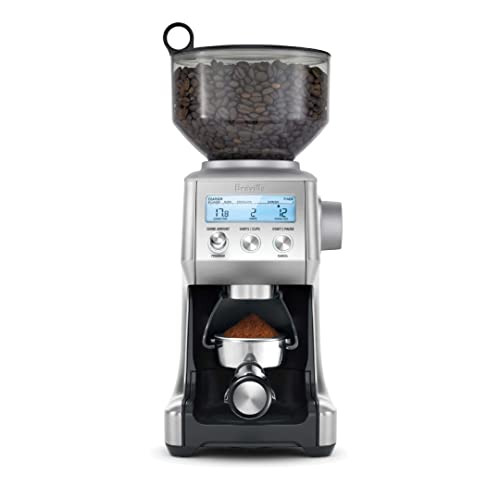
#1 Breville the Smart Grinder Pro BCG820BSS
★ 4.7 (414 reviews) · A$339

#2 Timemore Chestnut C3S Manual Coffee Grinder
★ 4.8 (348 reviews) · A$119

#3 De'Longhi Dedica Electric Coffee Grinder KG521M
★ 4.3 (1,086 reviews) · A$236.95
Our rankings
Weekly kitchen deals, in your inbox
We check prices on every appliance we cover daily. Once a week we send the biggest genuine price drops we spot - the ones worth your bench space.
- One email a week, max
- No spam, ever
- Unsubscribe in one click